
Corn, also known as maize, is one of the most widely cultivated cereal crops in the world. It is an essential staple food, used globally in various forms such as whole kernels, flour, and syrup, as well as an ingredient in animal feed and industrial products. Corn is versatile, providing significant nutritional value, and has various uses depending on whether it’s classified as GMO (Genetically Modified Organism) or Non-GMO.
GMO corn refers to corn varieties that have been genetically modified to enhance certain traits, such as resistance to pests, tolerance to herbicides, or improved yields. Genetically modified organisms are created through biotechnology, allowing scientists to introduce new genes into the corn plant to achieve specific desirable characteristics.
Why Choose GMO Corn?
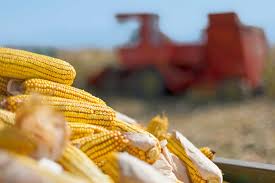
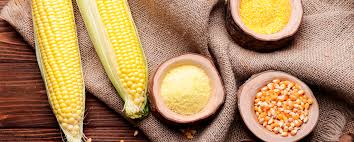
Applications of GMO Corn:
Non-GMO corn refers to corn varieties that have not been genetically modified. These are traditional corn types that have been grown through conventional methods without the introduction of altered genes. Non-GMO corn is increasingly popular among consumers who seek natural, organic, or chemical-free products.
Key Differences Between GMO and Non-GMO Corn
| Feature | GMO Corn | Non-GMO Corn |
|---|---|---|
| Genetic Modification | Genetically modified to enhance traits (pest resistance, herbicide tolerance, etc.) | No genetic modifications; grown with traditional farming methods |
| Pest and Weed Resistance | Enhanced resistance to pests and weeds, reducing chemical usage | Natural resistance, often requiring more pest management and weed control |
| Environmental Impact | Reduced pesticide use due to resistance traits | Potentially higher pesticide use in conventional farming |
| Health Considerations | Genetically engineered; generally considered safe by regulatory agencies | Preferred by those seeking natural or organic products |
| Market Use | Widely used in processed food, biofuels, and animal feed | Common in organic foods, baking, and whole-food markets |
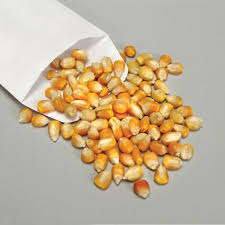
| Nutrient/Characteristic | GMO Corn | Non-GMO Corn |
|---|---|---|
| Available Energy (ERGS) | 100 | 340,000 |
| % Brix | 1 | 20 |
| % Organic Matter | 1.2 | 2.1 |
| Phosphate (ppm) | 3 | 44 |
| Potassium (ppm) | 7 | 113 |
| Calcium (ppm) | 14 | 6130 |
| Magnesium (ppm) | 2 | 113 |
| Sodium (ppm) | 5 | 0.2 |
| pH | 7.5 | 7.01 |
| Cation Exchange Capacity | 3 | 44 |
| Base Saturation | ||
| % K | 0.7 | 9.2 |
| % Mg | 0.2 | 9.2 |
| % Ca | 5 | 62 |
| % H | 0 | 0 |
| % Na | 6.2 | 0.3 |
| NO₃ (ppm) | 2 | 4 |
| NH₄ (ppm) | 5 | 42 |
| Sulfur (ppm) | 3 | 42 |
| Manganese (ppm) | 2 | 14 |
| Iron (Fe) (ppm) | 2 | 14.3 |
| Zinc (ppm) | 2.3 | 14.3 |
| Copper (ppm) | 2.6 | 16 |
| Cobalt (ppm) | 0.2 | 1.5 |
| Molybdenum (ppm) | 0.2 | 1.5 |
| Boron (ppm) | 0.2 | 1.5 |
| Selenium (ppm) | 0.6 | 0.3 |
| Carbon (ppm) | 2 | 60 |
| Chloride (ppm) | 10 | 1 |
| Toxins and Chemical Content (ppm) | ||
| Anaerobic Biology | 60 | 0 |
| Chemical Content | 60 | 0 |
| Chlorides Content | 60 | 0 |
| Formaldehyde Content | 200 | 0 |
| Glyphosate Content | 13 | 0 |
| Positive Traits | ||
| Aerobic Biology (%) | 1 | 100 |
| Test Weight (lbs/bu) | 57 – 58 | 61 – 62 |
Whether you’re looking for GMO corn with enhanced agricultural traits or Non-GMO corn for natural and organic purposes, we offer high-quality products that meet a variety of needs. Our corn products come from trusted sources, and we prioritize both environmental sustainability and the highest quality standards. Choose the right corn for your business needs, and partner with us for a reliable, cost-effective supply chain.
Subscribe to our weekly newsletter to get the latest news
We aim to empower businesses by offering reliable, clear, and affordable import and export services, driving global economic development and sustainability.
Copyright © 2025 GLOBAL REACH IMPEX.